
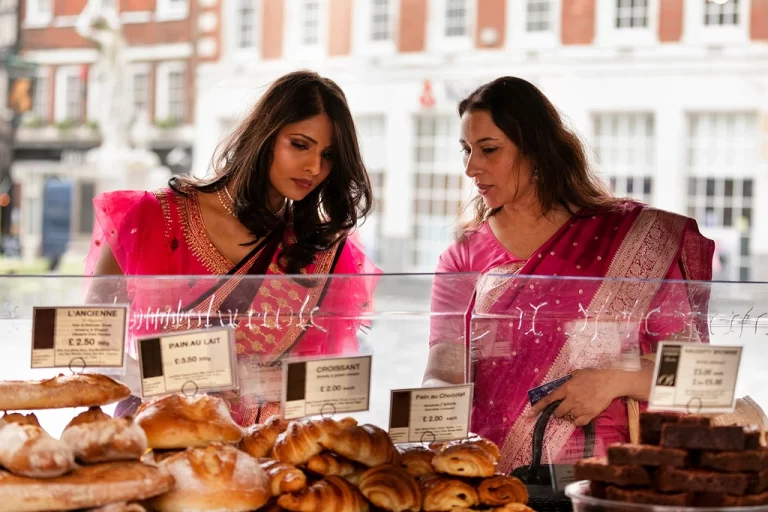
Indian travellers often like carrying food and a bit of home when flying abroad. Whether it is Indian snacks, homemade laddoos or temple prasad, these small things bring comfort, especially on long journeys. When bringing food on international flights or domestic flights, including India to UK flights, it is important to understand the rules regarding hand luggage and check-in baggage, as well as the use of security tamper evident bags for certain items. This guide explains everything Indian families, students, and working professionals need to know about carrying food items, including baby food and other personal items, while complying with customs and airport security regulations.
Indian Food Items Allowed to the UK
Many Indian travellers prefer carrying familiar flavours to make the first few days easier. Fortunately, the UK allows several dry and commercially packaged items, which are generally allowed by most airlines, including other airline carriers, when securely packed in your cabin bag or checked luggage.
Items you can carry:
Factory-packed namkeen, chips and farsan
Ready-to-eat meal packs (commercially packaged)
Instant upma, poha and noodles (commercially packaged)
Dry fruits (sealed packs only)
Indian spices allowed to UK (only sealed packets)
Vacuum-packed rotis, theplas and parathas
Packaged rice, lentils and grains
Indian snacks on flights to UK like khakra, mathri and bhujiya
Dry snacks and packaged snacks (commercially packaged and sealed)
Tip: Ensure all food items are securely packed to prevent spillage. If certain items are not allowed in your hand luggage or cabin baggage, you may place them in your checked luggage, following airline-specific rules and restrictions set by the aircraft operator. Always check with your airline or other airline carriers for any specific restrictions.
Dry Sweets Allowed to UK and Packing Tips
Carrying sweets to relatives abroad is very common for Indian families. The UK is flexible with most dry, long-lasting sweets. When packing, be mindful of the net weight restrictions and avoid carrying any flammable liquid or semi-liquid sweets that could be completely prohibited in hand luggage or carry on baggage.
Allowed dry sweets:
Soan papdi
Besan laddoo
Dry barfis
Peanut chikki
Til sweets
Dry cakes
Indian sweets to UK that do not have fresh dairy
Packing tips:
Use airtight containers or vacuum packing
Avoid sweets with excess ghee
Use bubble wrap to avoid breakage
Keep the purchase bill if available
Homemade food UK customs rules are easier to follow if the sweets are dry and non-perishable
Using vacuum-sealed bags can help keep food fresh and prevent mess during travel.
Prasad to UK Customs: What’s Allowed?
Many travellers carry prasad as a blessing for loved ones. UK authorities allow it when it is dry and safe to transport. When carrying prasad or other personal items, it is important to declare them properly and pack them securely, especially if they contain carbon dioxide gas or other compressed gases.
Prasad allowed:
Dry boondi, mishri, dry fruit prasad
Sealed dry ladoos from temples
Packaged puffed rice or chana prasad
Not allowed:
Wet prasad
Ghee-rich offerings
Fresh fruits, flowers or perishable items
UK Airport Security Food Rules
Security checks focus heavily on liquids and dangerous goods such as smoke generating canisters or permeation devices. Solid food items usually pass without issues if packed properly in hand luggage, carry on baggage, or cabin baggage. Passengers should be aware that items like mobile phones, lithium metal batteries, and fuel cell engines have specific regulations and must be completely switched off during security screening to avoid delays.
Rules to follow:
Solid food is allowed in hand baggage, carry on baggage, and cabin baggage
No liquid ghee or curry-style preparations
Powders like masalas should be sealed
Be ready to place food separately during screening
Certain airlines and other airline carriers have different rules for carrying food items, so always check with your airline before traveling. If flying with multiple carriers, verify each airline’s specific policies.
Liquid and semi-liquid foods are prohibited in carry-on baggage. Canned and cooked foods under 100 ml and properly packed are allowed.
Items not allowed in cabin baggage or carry on baggage should be placed in checked baggage to comply with security regulations.
It’s best to keep food in hold luggage or checked baggage to avoid security issues, as food can obstruct X-ray images.
UK Customs Food Restrictions: What Not to Carry
The UK has strict import rules to protect its environment and other passengers. Carrying prohibited items, including dangerous goods like tear gas, pellet guns, or smoke generating canisters, can lead to confiscation. Customs officers are responsible for inspecting goods and enforcing food import rules, so declaring food items at customs can simplify the inspection process and reduce the likelihood of penalties. Travelers must declare all food items at customs when traveling internationally to avoid penalties. High-value items should be declared to Indian customs upon arrival.
Avoid carrying:
Fresh fruits, vegetables or herbs
Anything with milk, paneer, curd or other dairy products
Homemade pickles with oil (oil is completely prohibited)
Loose grains, loose masalas or loose pulses
Meat products, including raw meat
Seeds, plants and raw herbs
Perishable egg-based sweets
Fresh fruits, vegetables, raw meat, and dairy products are strictly prohibited in many countries, including India, to prevent disease spread. Dangerous goods must never be carried.
Smart Tips to Pack Indian Sweets for UK Travel
Good packing ensures your food reaches safely and does not spill or get damaged during transit.
Place all liquid-type items only in check-in bags
Use double sealing for oily items
Zip-lock bags help avoid mess
Keep items you might declare at the top of the bag
Follow Indian masalas UK import rules by carrying only sealed packets
You should separate food from clothes in your luggage to avoid contamination.
Homemade dry foods can be carried, but they should be packed carefully to avoid spillage. For food that requires a cool temperature, insulated bags or coolers with ice packs should be used.
Additional note: When travelling with mobility aids or other devices that may contain lithium ion batteries or lithium metal content, ensure that batteries are carried as per airline rules, such as carrying only two spare batteries in hand luggage and making sure they are protected from short circuits.
Conclusion
Taking Indian food items allowed to UK is quite simple once you understand the rules. Whether you are relocating for Study Abroad UK, visiting relatives or travelling for work, packing familiar food brings comfort. Follow UK food import regulations, avoid restricted products, and pack everything securely. With the right preparation, your arrival in the UK becomes smoother and stress-free. You should pack travel-friendly foods to avoid inconvenience at security checks. Taking food from the UK to India is allowed for personal use, with most dry, sealed, and packaged items permitted.
FAQs
Are Indian sweets on UK flights allowed in cabin bag or hand luggage?
Yes, dry sweets are allowed in both cabin and check-in bags.
Can I carry Indian pickles to the UK in my cabin bag or hand luggage?
Commercially packed pickles under 100 ml can be taken in cabin bags. Larger jars must be in check-in baggage.
Is prasad allowed in UK customs in cabin baggage?
Yes, dry prasad is allowed. Wet or dairy-based prasad is not permitted.
Do I need to declare food to UK customs when carrying in cabin bag or hand luggage?
If you are unsure or carrying homemade food items, follow UK customs declaration food instructions and declare them.
Can I take Indian spices to the UK in hand luggage?
Yes, sealed masalas are allowed. Avoid carrying loose or unpacked powdered spices.
How are ticket prices from the UK to India determined?
Prices vary based on demand, season, fuel cost and availability of last minute flights. Booking in advance helps make your travelling cheaper.