
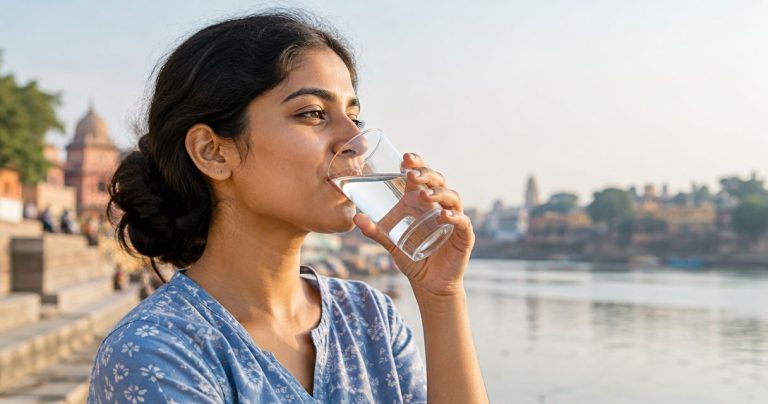
Do not drink untreated tap water in India; use water from an intact, factory-sealed bottle or water treated by a reliable method. The same precaution applies to ice, brushing your teeth and preparing drinks, because clear water is not proof that it is safe.
In-short:
- Can you drink tap water in India? Avoid untreated supplies, including water used for ice and brushing teeth.
- Choose factory-sealed bottled water, or boil water correctly and store it in a clean, covered container.
- A filter or hotel water dispenser needs checks; the label alone does not establish drinking-water safety.
- Mann Travel UK helps UK travellers compare flights to India; seek personalised health advice from a healthcare professional.
Why this matters
Water precautions belong on your 2026 India checklist before you leave the UK. An airport transfer, a late arrival or a family meal is easier to manage when you already know what you will drink and how you will refill your bottle.
The risk is not confined to a glass of tap water. Ice, diluted juice, uncooked food washed in unsafe water and a contaminated bottle can also expose you to organisms that cause illness.
For wider trip preparation, Mann Travel UK offers flight and hotel booking comparison services. Keep those arrangements separate from individual health decisions, especially if you are pregnant, immunocompromised or travelling with a baby.
Can you drink tap water in India?
Do not assume untreated tap water in India is safe to drink, whether you are staying in a hotel or a private home. Choose a source you can verify rather than judging water by its appearance, temperature or taste.
The CDC Yellow Book, 2026 edition, provides food and water precautions for international travellers, including using reliably treated water and avoiding ice made from unsafe water. Its water-disinfection guidance supports boiling as a way to kill disease-causing organisms; boiling does not remove chemical contamination.
| Water option | Best for | Main advantage | Limitation and next step |
|---|---|---|---|
| Factory-sealed bottled water | Travellers without a verified refill source | You can inspect the cap and open it yourself | A damaged seal undermines confidence; choose another bottle |
| Boiled water | Stays with access to suitable heating equipment | Correct boiling kills disease-causing organisms | It does not remove chemicals; cool and store it hygienically |
| Reliably treated drinking water | Refilling where treatment and maintenance are established | Avoids relying entirely on disposable bottles | Treatment performance depends on the system; ask how it is maintained |
| Untreated tap water | Washing where water will not be swallowed | Useful for ordinary washing | Do not use it for drinking, ice or brushing your teeth |
These are practical choices, not guarantees based on a city or accommodation category. Apply the same checks in Delhi, Mumbai, Amritsar, Chennai, Hyderabad, Bangalore, Kochi and Goa; a destination name does not establish the safety of an individual supply.
Factory-sealed bottled water: inspect before drinking
Factory-sealed bottled water is the practical choice when you cannot verify treatment. Check that the cap and tamper-evident seal are intact, and open the bottle yourself where possible. Do not accept an already-open bottle as equivalent to a sealed one.
A familiar-looking label is not enough. If the cap is loose, the bottle appears reused or anything seems wrong, choose a different bottle rather than trying to judge its contents by smell.
Keep the drinking rim clean and avoid touching it with unwashed hands. If you pour water into a reusable bottle, clean that bottle properly; a safe source does not prevent contamination from a dirty lid or mouthpiece.
For a 2026 itinerary involving several stops, make water part of your arrival routine. Establish a dependable supply before leaving your accommodation, particularly when you are heading straight to a wedding, meeting or onward journey.
Boiled water: use a rolling boil, then protect it
The CDC's emergency drinking-water guidance specifies a rolling boil for 1 minute, or 3 minutes above 6,500 feet. Let the water cool before drinking, and keep it in a clean, covered container.
Boiling addresses microbial hazards, not every possible contaminant. Do not treat water suspected of containing fuel, pesticides or other chemicals as safe simply because it has boiled.
Use this sequence when boiling is your chosen treatment:
- Check the source. Do not use water suspected of chemical contamination.
- Bring to boil. Reach a rolling boil and follow the appropriate boiling time.
- Cool covered. Keep the container protected while the water cools.
- Pour cleanly. Avoid dipping hands, cups or utensils into the stored water.
A kettle switching off is not proof that the required boiling time has been met. Check what your equipment actually does rather than assuming every hot-water appliance provides the same treatment.
Filtered and hotel water: ask what treatment means
The word filtered does not explain which contaminants a system removes. Filter performance depends on its design, condition and correct use; a taste-improving filter is not automatically a microbial water purifier.
Ask your accommodation a direct question: is this drinking water, how is it treated, and how is the equipment maintained? If the answer does not establish a reliable process, choose sealed bottled water or correctly boiled water instead.
A hotel dispenser needs the same scrutiny as a household purifier. Check the drinking-water source and the cleanliness of the outlet, and keep your bottle mouth away from the nozzle when filling.
A hotel category is not a water-treatment method. Neither an expensive room nor a clear-looking jug tells you whether the water is suitable for drinking.
Why drinking-water safety varies
Your decision should depend on the supply and its handling, not on whether someone else drinks it without an immediate problem. These factors explain why apparently similar glasses of water deserve different checks:
- Source: water taken from a tap, tank or verified drinking-water supply has a different starting point.
- Treatment: boiling, filtration and disinfection address different hazards and require correct use.
- Maintenance: a treatment system needs appropriate servicing and replacement parts to work as intended.
- Storage: a clean supply can become contaminated in an uncovered or dirty container.
- Handling: hands, cups, scoops and bottle mouths can introduce contamination after treatment.
- Intended use: water suitable for cleaning is not automatically suitable for swallowing or preparing drinks.
Do not use a host's personal experience as a safety test. Ask about the treatment process politely, then make your own drinking-water choice without turning the meal into a debate.
Can you brush your teeth with tap water in India?
Use reliably safe water for brushing your teeth in India. Keep a separate supply beside the sink so you do not reach for the tap automatically, and use it when rinsing your mouth or toothbrush.
The same distinction applies in the shower: washing is different from drinking. Avoid swallowing shower water, and supervise young children who are likely to drink bath water or put wet toys in their mouths.
Handwashing remains essential even when tap water is not your drinking source. Wash with soap and running water for at least 20 seconds, following CDC handwashing guidance, especially before eating and after using the toilet.
Is ice in India safe to have in drinks?
Only have ice when you can establish that it was made with safe water and handled hygienically. Freezing does not reliably make contaminated water safe, so the presence of ice is not evidence of treatment.
Ask about the ice separately from the drink. A sealed soft drink poured over ice made from unsafe water no longer has the same protection as the unopened bottle.
When the source is uncertain, order your drink without ice. Apply the same check to blended drinks, fresh juices and drinks diluted with water; the ingredient list alone does not tell you whether the water was safe.
Does boiling tap water in India make it safe?
A rolling boil for 1 minute kills disease-causing organisms; use 3 minutes above 6,500 feet. That CDC guidance concerns microbial treatment, not removal of chemical pollutants.
After boiling, protect the water from contamination. Pour it into a clean cup rather than dipping a used cup into the storage container, and keep the lid closed between uses.
Tea or coffee is not automatically safe just because it feels warm. Choose drinks made with water that has been properly boiled, and consider anything added afterwards, including ice or untreated water used for cooling.
Build water checks into your India travel plans
Use a simple routine throughout your 2026 trip: establish your source, check the container, then consider anything added to the drink. Repeat those checks when you change accommodation rather than carrying assumptions from one property to the next.
- Before departure: pack a clean reusable bottle and any cleaning equipment it needs.
- On arrival: identify a reliable drinking-water supply before settling in or going out.
- At meals: ask about water and ice before the drink arrives.
- Before excursions: fill your bottle from a verified source and protect the mouthpiece.
- At bedtime: set aside safe water for overnight drinking and brushing your teeth.
Mann Travel UK is best for UK travellers comparing flights to India. For health precautions, use a travel-health professional who can assess your medical history, destinations and planned activities.
Neither a flight booking nor travel insurance replaces that assessment. Arrange advice before departure, and tell the clinician if your journey includes remote areas, high-altitude travel or limited access to medical care.
What should you do if you develop diarrhoea?
Replace lost fluids using safe water and seek medical advice when symptoms are severe or concerning. Oral rehydration salts help replace fluid and electrolytes; mix them with the amount of safe water stated on the packet, not an improvised concentration.
Get prompt medical advice for blood in your stool, fever, severe abdominal pain, persistent vomiting or signs of dehydration such as very little urine or dizziness. Seek advice early for babies, young children and medically vulnerable travellers.
Do not assume every stomach upset came from drinking water. Food and person-to-person transmission are also possible, and a clinician should guide treatment rather than a guess about the cause.
Frequently Asked Questions
Can you drink tap water in India if you are visiting from the UK?
Do not drink untreated tap water in India. Choose water from an intact, factory-sealed bottle or water treated by a reliable method, and use the same precaution for brushing your teeth.
Is tap water safe to drink in Indian hotels?
Do not assume hotel tap water is safe to drink. Ask whether a specific supply is treated for drinking and how the treatment system is maintained; choose another verified source if that cannot be established.
Can I drink tap water after boiling it in India?
Boiling kills disease-causing organisms when done correctly: use a rolling boil for 1 minute, or 3 minutes above 6,500 feet, following CDC guidance. Boiling does not remove chemical contaminants, and the water needs clean, covered storage afterwards.
Can I have ice in drinks while travelling in India?
Only have ice when its water source and handling are reliable. If you cannot establish that, order the drink without ice, including when the drink itself comes from a sealed bottle.
Is filtered water always safe to drink in India?
Filtered water is not automatically safe to drink. The treatment method, maintenance and storage determine whether the supply is suitable, so ask what the system actually does.
Can I use tap water to prepare baby formula in India?
Do not use untreated tap water to prepare baby formula in India. Powdered formula is not sterile, so follow NHS preparation guidance and ask a healthcare professional about suitable water and feeding arrangements before travelling.
What should I check before travelling to India in 2026?
Check current destination-specific health guidance, identify reliable drinking-water options and plan how you will clean your bottle. Mann Travel UK can help compare flights to India; individual medical precautions belong with a healthcare professional.
One last thing
A clean refill source cannot compensate for a dirty bottle lid. Clean the cap, mouthpiece and any removable seals according to the bottle manufacturer's instructions, not just the main container. Make that your final water-safety check before heading out.

